

Both Faster and Stronger
A new Weizmann Institute of Science approach promises to advance cancer immunotherapy by increasing the proliferation rate of cancer-targeting immune cells while retaining their ability to kill cancer cells. Cellular...
Peeling Back the Layers of Brain Tumours
Weizmann Insitute scientists have mapped common types of brain tumours at unprecedented resolution – and identified a possible reason why some patients fail to respond to a new drug. The...
Sticking a Pin in Cancer
A new cellular mechanism for identifying unravelled proteins, discovered by scientists at the Weizmann Institute of Science and recently published in Molecular Cell, may serve as a target for cancer...
A Sweet New MRI Method ‘Lights Up’ Pancreatic Cancer
Altered glucose digested by cancer cells helps reveal tumours’ hiding places, new research at the Weizmann Insitute of Science shows. Pancreatic cancer is difficult to detect, in part because the...
Standing United: When Immune Cells Join Forces, Cancer Therapy Is More Effective
A new kind of immunotherapy, based on crosstalk between different immune cells, could pave the way for innovative treatments of cancer and autoimmune diseases Winning on the battlefield takes a...
A Select Group: Study May Bring Improved Therapy to Preselected Lung Cancer Patients
Researchers at the Weizmann Institute of Science have identified a biomarker that may one day enable a subgroup of lung cancer patients to benefit from relapse-free treatment. Non-smokers who develop...
Immunotherapy Drugs Step on the Gas
Sometimes anticancer antibodies press on the gas and the brakes at the same time. New research from the Weizmann Institute of Research in Israel might help them accelerate better. When...
Weizmann Institute scientists reveal how viruses outwit cellular immune systems
We are used to thinking of the immune system as a separate entity, almost a distinct organ, but the truth is much more complicated. Breakthroughs in recent years – some...
Human Tumours Are Prized Real Estate for Fungi, Study Finds
Cancer tumours contain multiple species of fungi that differ per tumour type, according to a large study led by researchers at the Weizmann Institute of Science and the University of...
Putting Liquid Biopsies on Solid Ground: Cancer Diagnosis from a Millilitre of Blood
Blood tests – simple, noninvasive and economically feasible – promise to become the next major milestone in cancer diagnosis. However, most of these tests, dubbed liquid biopsies, are currently not...
Antibodies Fight Cancer Too
Immunotherapies for cancer rely on recruiting the patient’s immune system, but they still fall far short of tapping into the entire arsenal of the body’s natural defences. In fact, most...
An Unusual Way to Die
New research that reveals the details of an alternative cell death may lead to new therapies for a variety of diseases. Unlikely causes of death, like lightning, may strike out...
Uncovering the Anti-Myeloma Resistance Files
Multiple myeloma patients live much longer today than in the past, thanks to new targeted anti-myeloma drugs, but ultimately most develop resistance to the medications, and in some the disease...
How Cancers Hurt Themselves to Hurt Immune Cells More
A study of melanoma cells explains a puzzling response they exhibit to ward off T cell attacks. Cancers like melanoma are hard to treat, not least because they have a...
New Method Sees Into More Cells Than Ever Before
A new technology developed at the Weizmann Institute of Science may help answer outstanding questions about the immune system, cancer, Alzheimer’s, and more. Invading cells’ private space – prying into...
A New Approach to Tailoring Cancer Therapy: Tapping into Signalling Activities in Cancer Cells
Choosing the right drug for each cancer patient is key to successful treatment, but currently physicians have few reliable pointers to guide them in designing treatment protocols. Researchers at the...
Predicting Immunotherapy Success
One of the frustrations with anti-cancer therapy is that no one drug fits all: Most work well in some people but have little effect in other patients with the same...
Cancer Protocols: A New Approach to Predicting Treatment Outcomes
New Weizmann Institute of Science research shows heterogeneity in melanoma tumours prevents effective immune responses. Diversity – at least among cancer cells – is not a good thing. Weizmann research...
The ‘Hippo Pathway’ Keeps Cancer at Bay
A cancer research project conducted recently at the Weizmann Institute of Science evokes an unusual image: hippos. The research is not about the weighty, mud-basking mammals, but about the ‘Hippo...
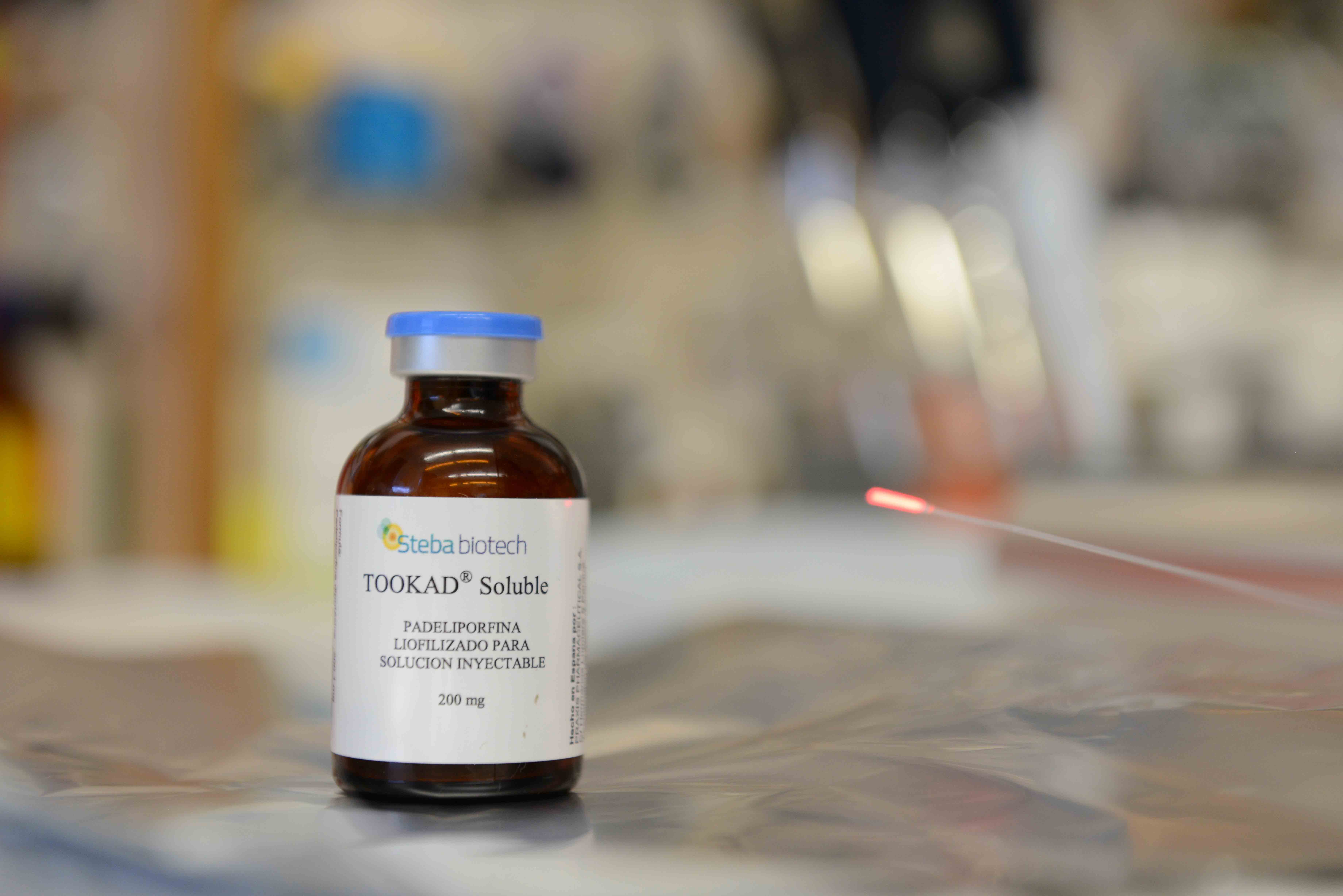
TOOKAD® Gains European Approval for Prostate Cancer
In collaboration with scientists at the Weizmann Institute of Science, privately owned company Steba Biotech conducted extensive research and development on the prostate cancer drug TOOKAD®, which has now received…