Newsroom

Find out about the Weizmann Institute of Science’s latest news across  many research disciplines, plus all the Weizmann Australia news.
Nanotubes’ as Superconductors and Solar Cells

Nanotubes’ as Superconductors and Solar Cells

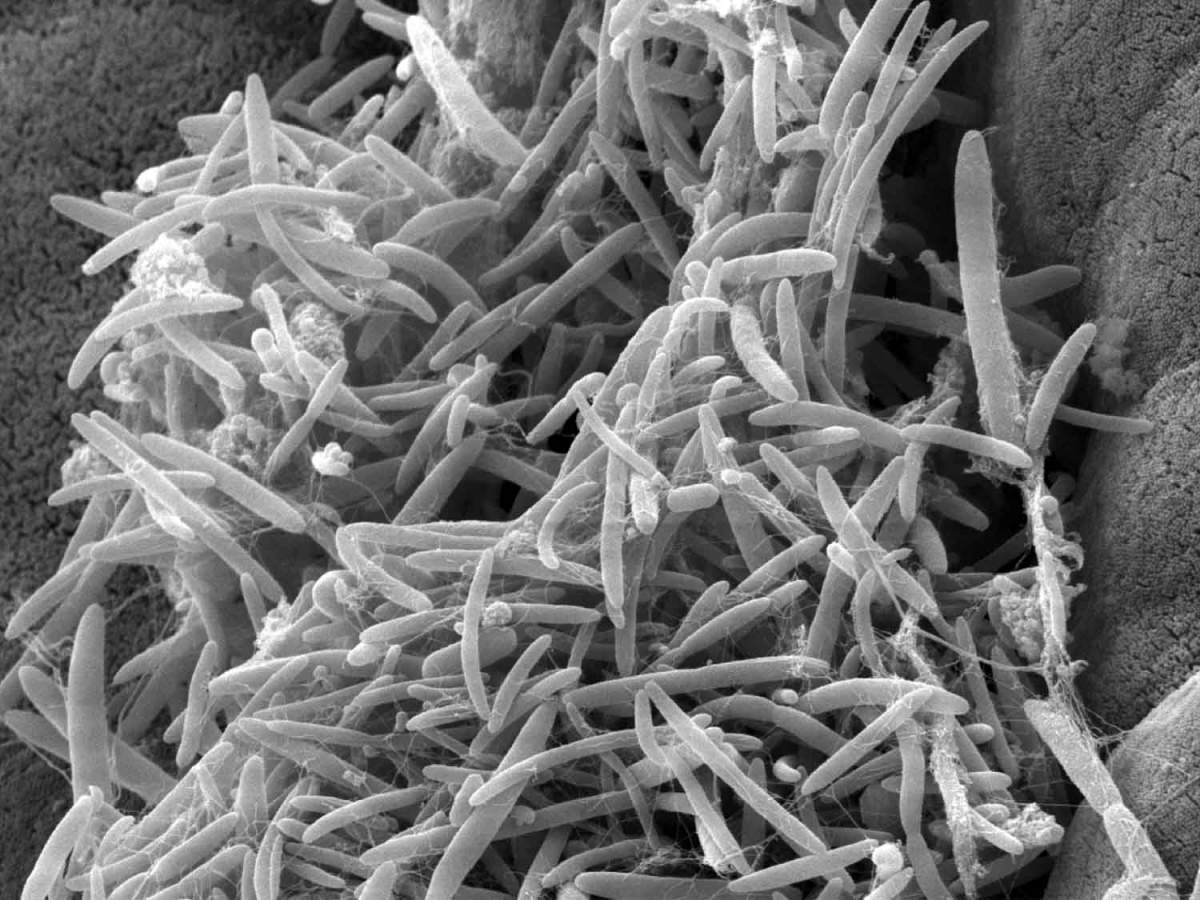
One of the world’s smallest solar cells might be a nanotube – not the kind made of carbon, but one composed of an inorganic compound rolled around itself like a hollow cigar. This discovery – the fruit of collaboration between physicists in Japan and Germany and...

Weizmann in top three Nature ranked institutes globally

Weizmann in top three Nature ranked institutes globally

“Size is not everything,” proclaimed the recent Nature press release, “some smaller institutes are punching above their weight”. This statement arises from a new ranking conducted within the framework of the Nature Index 2019 – a normalised ranking that adds a new...

Weizmann Institute of Science Ranked in Top 25   

Weizmann Institute of Science Ranked in Top 25  

The Weizmann Institute of Science has been ranked among the top 25 research institutes/universities in the world in two main categories by U-Multirank, 2019. This organization named the Institute a Global Top 25 performer in two areas: Top Cited Publications and...

Same Microbe, Different Effect

Same Microbe, Different Effect

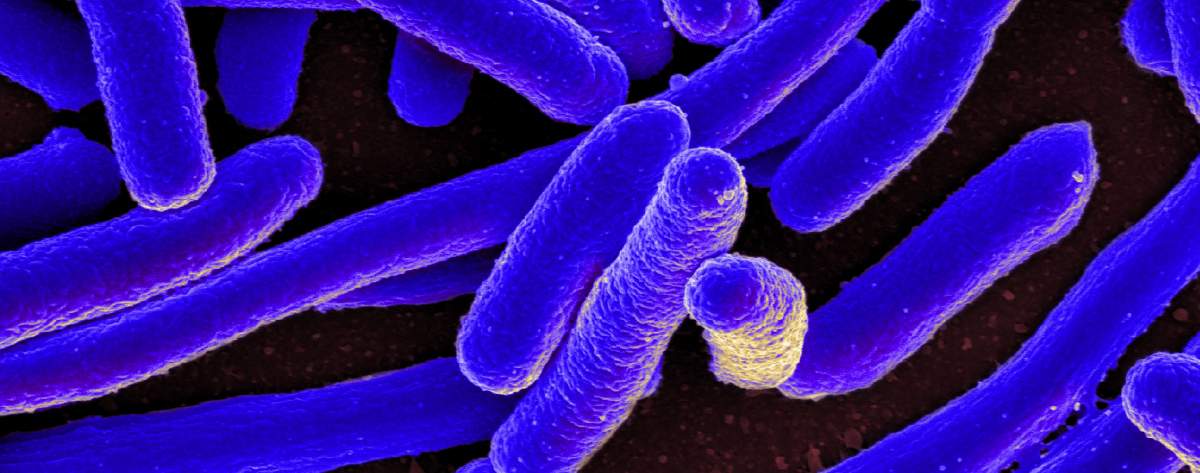
New collaborative research from the Weizmann Institute of Science has asked a different question about the bacteria in our microbiomes, and the answers, recently published in Nature, could help target disease more precisely. Our gut microbiome – the complement of...

Dancing all the way to her Doctorate

Dancing all the way to her Doctorate

Scientists are not generally required to display prowess in modern dance, but Dr Roni Zohar of the Weizmann Institute of Science’s Science Teaching Department recently showed her moves in an award-winning science/dance video. Her video placed first in the social...

Potential New Drug Molecule Identified

Potential New Drug Molecule Identified

Weizmann scientists have found that a unique method for identifying bioactive chemical compounds produces a potential new drug molecule. Our cells receive more messages than a teenager’s phone and, just as with those phones, we sometimes need a way to screen harmful...