
The Weizmann Institute of Science and its commercial arm – Yeda Research and Development – has announced they have entered into a multi-year arrangement with pharmaceutical giant Pfizer which will provide important extra resources to facilitate more discoveries.
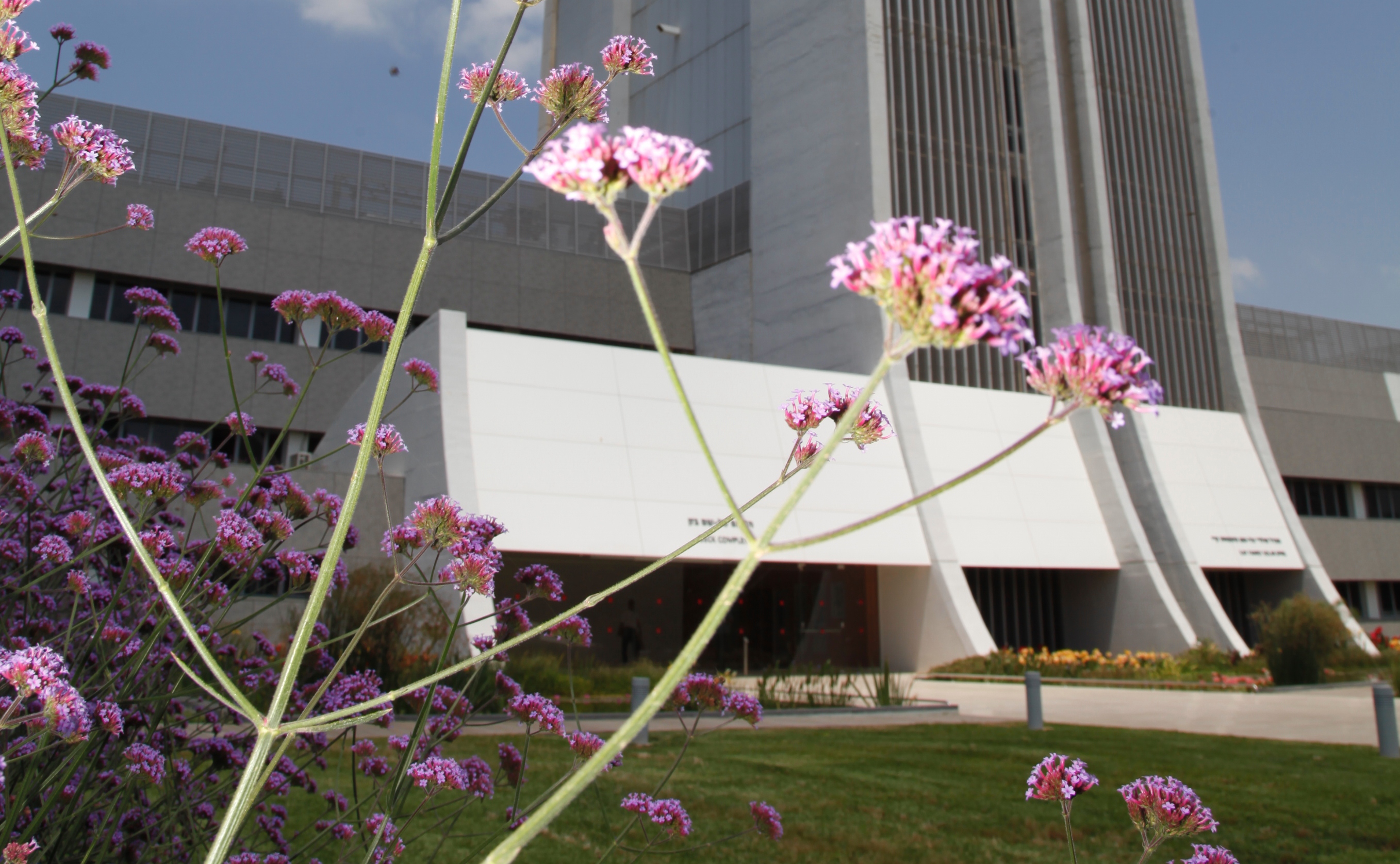
The arrangement will entail collaboration at the newly established National Drug Discovery Institute (DDI) in the Nancy and Stephen Grand Israel National Center for Personalized Medicine (G-INCPM), located on the Weizmann Institute campus.
Pfizer will be supporting the G-INCPM by placing a Pfizer medicinal chemist (rotating on a yearly basis) at the Institute to assist with advancing target selection and high-throughput screening, as well as leading development campaigns for programs that enter the DDI. If projects of mutual interest – those that hold promise in addressing unmet medical needs – are identified, Pfizer and Yeda will evaluate the potential for research and development agreements.
“We are very pleased to collaborate with Pfizer, and to work side-by-side with its scientists in our new national center, to build a world-class discovery and medicinal chemistry organization,” said Dr. Berta Strulovici, Head of the G-INCPM.
“We welcome Pfizer’s commitment to scientific discovery, and we are excited to host Pfizer scientists on campus and to broaden the potential impact of our joint efforts and common aim to discover new medicines that may benefit patients around the world.”
Amir Naiberg, CEO of Yeda, added: “We are pleased to announce this collaboration with Pfizer. Pfizer’s presence in the Weizmann Institute campus will give Pfizer potential access to Israeli innovation and allow Israeli scientists at the Weizmann Institute to enjoy direct access to the drug development expertise of Pfizer medicinal chemists.”
“This is an exciting partnership for Pfizer,” said Mikael Dolsten, President of Pfizer Global Research. “We have interacted with the Weizmann Institute for many years and have confidence in their scientific vision and expertise. We anticipate that this arrangement could potentially result in meaningful discoveries in the coming years. We look forward to working with many Israeli scientists and to seeing the outcomes of this effort.”


