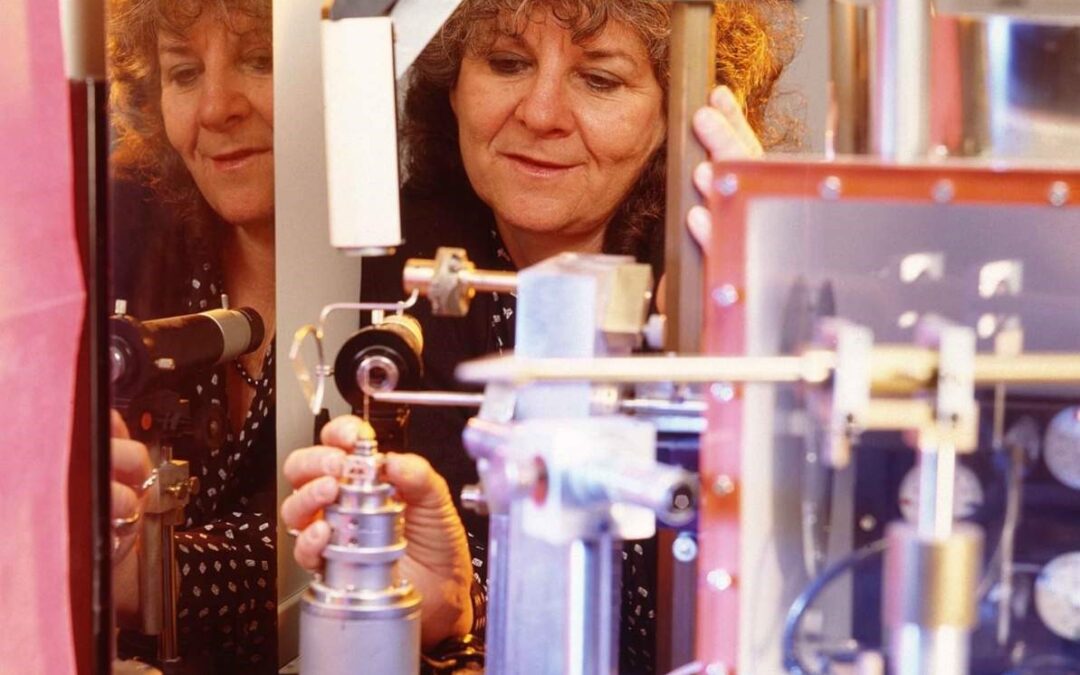

Three resistance mutations identified in the Weizmann Institute of Science laboratory of Professor Yardena Samuels may become targets for powerful new immunotherapies.
One of the most challenging moments in cancer treatment comes when a therapy stops working. In many metastatic cancers, drugs that are initially effective lose their potency over time, as malignant cells acquire mutations that enable them to survive and spread.
The new study from Professor Yardena Samuels’s lab at Weizmann proposes a new way to confront cancer resistance: harnessing the very mutations that make tumours resistant in order to fight the cancer.
The study, published in Cancer Discovery, presents a new computational tool –SpotNeoMet – that systematically identifies therapy-resistance mutations common to many patients. These mutations lead to the production of protein fragments known as neo-antigens, which are unique to cancer cells and absent from healthy cells, allowing them to serve as recognition signals for the immune system.
As a test case, the team, led by Drs Nofar Gumpert and Shira Sagie of Samuels’ lab, focussed on metastatic prostate cancer, a disease in which most patients eventually develop resistance to existing therapies. In collaboration with Sheba Medical Center and Hadassah Medical Center in Israel, as well as medical centres and universities in North America and Europe, the researchers identified three neo-antigens that showed promising results in laboratory experiments and in mouse models of cancer. These findings may pave the way for the development of new immunotherapies for treatment-resistant prostate cancer.
“Our research demonstrates a broad principle that may change the way we think about treatment-resistant cancer,” Samuels said.
“The same mutations that allow a tumour to evade a drug can, through precise immunotherapy, become the cancer’s weak point. Unlike ‘boutique’ immunotherapies that must be tailored to each individual patient, these therapies could be suitable for large groups of patients.”