
The discovery of stem cell light and darkness cycles may advance bone marrow transplantation according to new research.
Bone marrow replenishes the blood daily with billions of short-lived mature cells, all the while maintaining a full pool of immature stem cells. Researchers at the Weizmann Institute of Science, in collaboration with colleagues in Brazil and elsewhere, have now found that in meeting this challenge, the marrow follows daily cycles of light and darkness.
This discovery, reported in Cell – Stem Cell, suggests that adjusting the timing of stem cell harvesting to these daily cycles may help increase the success of their transplantation.
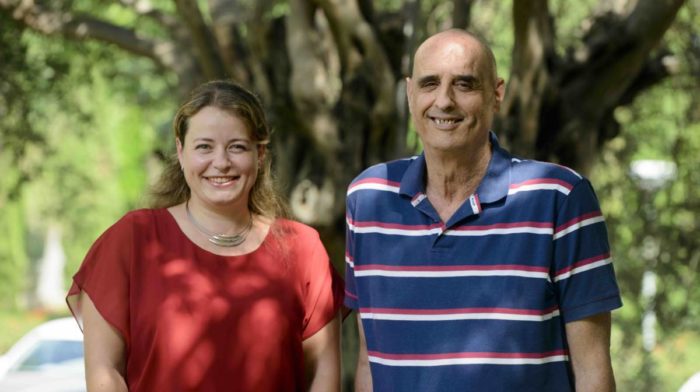
Dr Karin Golan in the laboratory of Professor Tsvee Lapidot of Weizmann’s Immunology Department and her colleagues wanted to reveal how the production of stem cells in the bone marrow is affected by the body’s cues for light and darkness.
After measuring the numbers of stem cells in the marrow of mice over 24 hours, the scientists discovered that there are two peaks in the production of these cells: at 11 am and 11 pm. The peaks served different purposes and were created by different mechanisms.
During the daylight morning peak, large numbers of stem and progenitor cells, which proliferated by cell division, were maturing and differentiating into the different cell types required for replenishing the blood. At the same time, bone marrow blood vessels became more permeable, facilitating the exit of the differentiated cells into the circulation.
During the darkness evening peak, in contrast, a bigger population of cells in the bone marrow acquired the characteristics of undifferentiated – that is, unspecialised – stem cells. When these cells were transplanted into recipient mice, they were engrafted in the bone marrow and reconstituted it more than twice as efficiently as cells collected during the morning peak.
About an hour after the mice started being exposed to light, and an hour after darkness, they had increased levels of two substances in their bone marrow: the neurotransmitter norepinephrine (NE) and an immune system molecule called tumour necrosis factor (TNF), which is normally known to cause cell death and inflammation. When the scientists blocked NE and TNF or conducted experiments in genetically engineered mice that do not have these molecules, the stem cell peaks failed to occur, suggesting that NE and TNF are essential for the production of undifferentiated stem cells and mature blood cells.
“We have discovered a previously unknown mechanism by which stem cells are replenished in the bone marrow,” Lapidot said.
In the morning, under the influence of light, the increase in NE and TNF levels was greater than at night, and this in turn enhanced the levels of molecules called reactive oxygen species, which stimulate stem cell differentiation and migration.
In the evening, following one hour of darkness, the smaller increase in NE and TNF levels caused a relatively smaller increase in reactive oxygen species, while triggering the production of the major sleep hormone melatonin, which suppresses stem cell differentiation. In fact, the scientists found they could reverse the peaks with melatonin treatment: When they injected melatonin into mice, the typical evening peak, in which large numbers of undifferentiated stem cells are produced, occurred in the morning.
“Our results suggest that the timing of the stem cell harvest may affect the success of bone marrow transplantation,” Golan said.
Study findings also suggest that in human patients, it might be possible to increase the success of transplantations by pre-treating bone marrow donors with melatonin, or with other molecules found to regulate the light and darkness cycles of stem cell production.
This study was conducted in collaboration with Professor John Dick of University Health Network, Toronto, Canada; Professor Irit Sagi of Weizmann’s Biological Regulation Department; Professor Regina Markus of the University of Sāo Paolo, Brazil; and Professor Steffen Jung and Dr. Biana Bernshtein of Weizmann’s Immunology Department.