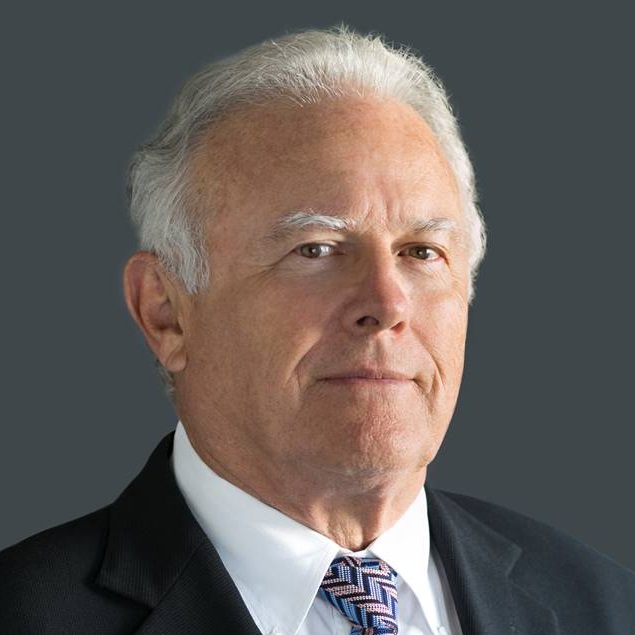
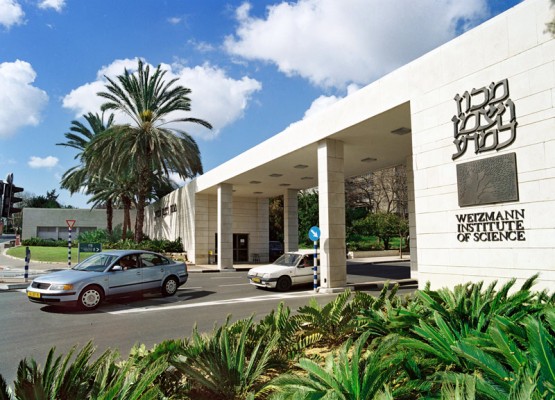
Weizmann Australia’s newest board member, Mr Bernard Stang, had his first Weizmann Campus experience when he attended the International Board Meeting in November.
Mr Stang is a leading Australian businessman who manages a broad portfolio of investments in the private and listed sectors, and has enjoyed over 40 years of operational leadership in successful healthcare businesses.
On his Weizmann visit Mr Stang said he was greatly impressed, not only with the leading global scientific capability, but the campus’ physical beauty.
“The event was extremely well organised, like a well-oiled machine, and the scientific sessions left us in awe of the brilliant minds like Ido Amit, amongst many, who explore the world of science and medicine at Weizmann,” he said.
“The intensity of the research efforts whilst clearly enjoying the very relaxed feel of the beautiful campus and its excellent facilities, demonstrated the uniqueness of the Institute. ”
Mr Stang, who visited with his wife Minna, said one of the many standout Weizmann discoveries they were shown was the development of technology with the ability to allow a totally paralysed person to communicate via breathing through their nose.
“Some of my companies develop new technologies, such as a machine that cleans and completes high level disinfection of ultrasound probes in 8 minutes, as opposed to 12 hours soaking in toxic chemicals, so to me this communication invention was truly inspiring,” concluded Mr Stang.