Imagine this: you are developing a strategy against cancer that will trigger the body’s early detection of tumours, or studying surfaces using scanning tunnelling microscopy, or learning about the behaviour of semiconductors, or designing a computer program to simulate neurotransmitter release….
These are brief examples of some of the projects researched recently by participants in the Dr Bessie F. Lawrence International Summer Science Institute (ISSI). Each year approximately 80 talented science students (high school graduates) from around the world gather together to spend a month at the Weizmann Institute of Science in Rehovot, Israel for the ISSI. This year the program will be from 4-30th July and Weizmann Australia will send one fortunate participant. Applications are being called for in March and April.
The Trawalla Foundation supports the program with a grant of $10,000, which covers the bulk of the costs for the successful applicant. Selection is on a competitive basis and applicants must submit an essay about themselves, along with their academic transcript. An excellent academic record, particularly in science, and aspirations for a career in science, are major criteria in the selection process.
The International Summer Science Institute is dedicated to bringing together talented high school graduates from around the globe to experience scientific research, and to learn more about the Weizmann Institute of Science and life in Israel today.
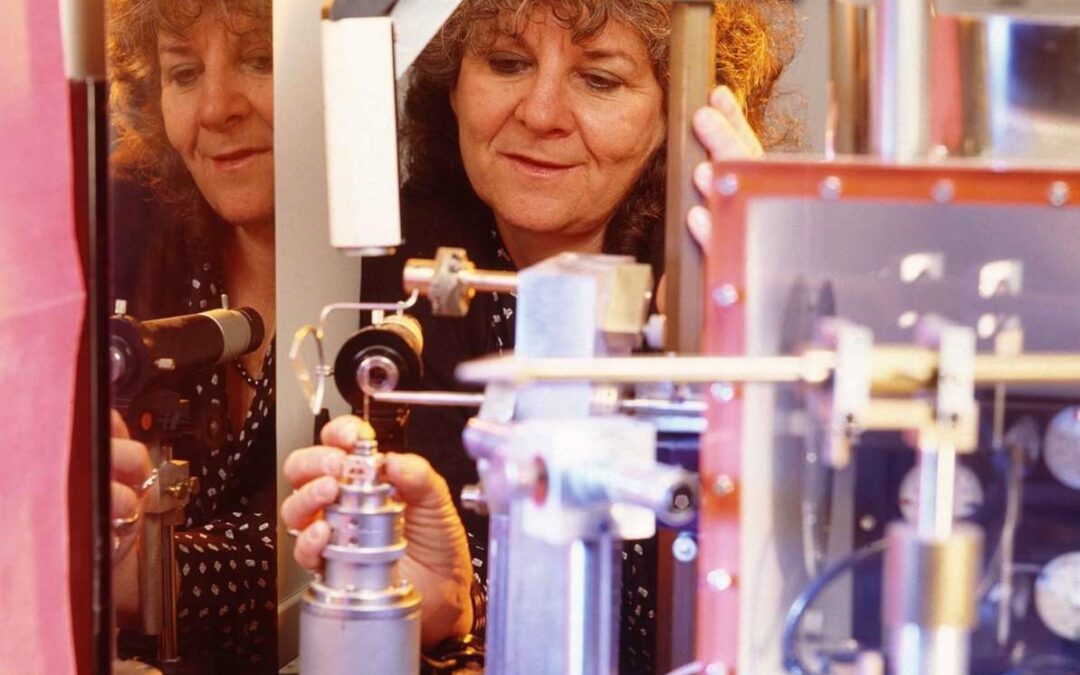
The first three weeks are spent working in laboratories on campus. The work combines the exploration of problems in the fields of biology, chemistry, physics and mathematics and computer sciences, instruction in the use of sophisticated laboratory equipment, and experimental procedures. Upon completion of laboratory work, participants give an oral presentation and submit a report.
In addition, students participate in scientific activities, such as lectures and workshops given by senior institute scientists, departmental seminars and visits to some of the state-of-the-art facilities on campus. They are also encouraged to give presentations on subjects in which they have an interest.
The final week of the program is spent in the Judean Desert and the Negev, where expert guides lead hikes and excursions that acquaint participants with the ecological, geographical, geological, zoological and archaeological characteristics of the region. Tours of Israel are an integral part of the program as they give participants a sense of the beauty of the country and introduce them to the history and diverse culture of Israel. The schedule also allows for free time, social activities, group discussions and more.
Last year Matt Gho and Cherry Zheng from ANU attended. Read their story here: http://weizmann.wpengine.com/2016/09/summer-school-an-incredible-opportunity-say-students/
For an application form and more information contact Dr Kirsten Shteinman Email: Kirsten@weizmann.org.au